CHEVREOLET PARTS SOURCE DL2DRHT Dome Light Lens Round
fits model: Impala, Camaro. make: Chevy. year: 1962–1967.
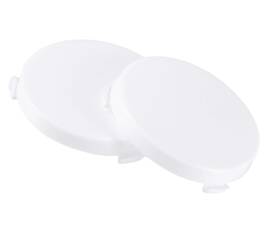
( Brand: Chevreolet Parts Source ), ( Manufacturer Part Number: DL2DRHT ), ( Part Type: Light Len ), ( Manufacturer Warranty: Yes ), ( Surface Finish: Plastic ), ( Lens Color: Milky/cream )
Review CHEVREOLET PARTS SOURCE Chevy Dome Light Lens Round 2drht fits IMPALA CAMARO 1962–1967
The **Chevrolet DL2DRHT dome light lens** from the mid-1960s is a meticulously crafted, vintage automotive component that embodies the sleek, functional elegance of classic American muscle and performance cars. Designed specifically for the **1962 1966 two-door hardtop Impala** and the **1967 Camaro**, this round dome light lens is a key element in the interior s refined yet robust aesthetic, blending practicality with the bold character of these iconic models. Crafted from high-quality, translucent polycarbonate or acrylic, the lens features a smooth, slightly domed curvature that diffuses light evenly across the passenger compartment, ensuring visibility without harsh glare a hallmark of Chevrolet s attention to driver comfort during an era when automotive interiors were evolving from utilitarian to stylishly functional. The lens is securely mounted within a sturdy metal or reinforced plastic housing, often featuring a subtle ribbed or textured surface to prevent condensation and maintain clarity over time. For the **1962 1966 Impala**, the dome light is positioned centrally above the rear passenger seat, casting a warm, ambient glow that complements the car s luxurious hardtop roofline, while in the **1967 Camaro**, it sits slightly lower and more forward, reflecting the sportier, more aggressive stance of this groundbreaking pony car. The lens s design may include subtle internal ribbing or a frosted finish to soften the light further, a detail that enhances the car s vintage charm while ensuring it remains a fully operational and reliable feature. Whether restored to pristine condition or preserved as part of a meticulously maintained classic, this dome light lens is a testament to Chevrolet s engineering precision and the timeless appeal of these legendary vehicles.
### **Pros and Cons of Buying a Classic Chevrolet (1962 1967 Models)**
#### **1962 1965 Chevrolet Impala (2-Door Hardtop "Dome Light" Lens)**
**Pros:**- **Iconic Design:** The 1962 1965 Impala is a quintessential American muscle car with a bold, aggressive front end and sleek body lines. The dome light lens is a distinctive feature that adds to its vintage charm.
- **Strong Engine Options:** Available with a variety of engines, including the **283 V8 (275 hp), 327 V8 (250 360 hp), and even the high-performance 427 V8 (425 hp in later models).** The 327 is particularly popular for its balance of power and reliability.
- **Reliability (for a Classic):** Compared to some European imports of the era, Chevy s small-block V8s are known for durability if properly maintained. Many original engines still run strong with basic upkeep.
- **Aftermarket Support:** Extensive parts availability, from OEM to aftermarket upgrades (performance exhaust, fuel injection, suspension modifications).
- **Driving Experience:** Lightweight for its size (especially the 2-door hardtop), making it fun to drive on backroads or tracks. The **Powerglide or 4-speed manual** options provide a classic shifting experience.
- **Customization Potential:** Easy to modify for modern performance (turbocharging, nitrous, suspension upgrades) while retaining its original aesthetic.
- **Lower Cost of Entry:** Compared to European sports cars of the same era, a well-preserved Impala is often more affordable to purchase and maintain.
**Cons:**- **Rust Issues:** Many early Impalas suffer from **floor pans, wheel wells, and frame rust**, especially in snowy or coastal climates. A thorough inspection is critical.
- **Original Condition Depends on Care:** Some were driven hard in their day, leading to worn-out suspension, brakes, or drivetrains. A **detailed history check** is essential.
- **Fuel Economy:** Modern standards make the V8s thirsty expect **10 15 MPG** in a stock condition. Modern fuel injection or turbocharging can improve this but adds complexity.
- **Maintenance Costs:** While parts are cheap, labor costs for classic cars can be high, especially if working with specialists.
- **Driving Challenges:** Original **Powerglide automatics** can be sluggish, and manual transmissions (while fun) require more effort than modern automatics.
- **Insurance Costs:** Classic car insurance is available but often more expensive than standard coverage, especially for high-performance models.
---
#### **1967 Chevrolet Camaro (2-Door Hardtop)**
**Pros:**- **First-Generation Muscle Car:** The **1967 Camaro** is the first of its kind, offering a **pony car** experience with a **sleek, aerodynamic design** and **strong engine options** (255 427 V8s).
- **Engine Choices:** Available with the **255 V8 (255 hp), 327 V8 (275 375 hp), 396 V8 (325 425 hp), and the legendary 427 V8 (425 hp).** The **L30 (396) and L72 (427)** are highly sought after.
- **Lightweight & Fun:** The **1967 Camaro is one of the lightest muscle cars of its era**, making it nimble and exciting to drive. The **Z/28 (302 V8, 290 hp)** is a performance favorite.
- **Aftermarket & Restoration Potential:** Extremely popular among enthusiasts, leading to **abundant parts, restoration guides, and performance upgrades**.
- **Driving Dynamics:** The **short wheelbase and stiff suspension** make it responsive, and the **manual transmission (4-speed) is a joy to drive**.
- **Collectible Status:** Well-preserved examples (especially **Z/28s, SS 396s, or 427 models**) appreciate in value, making them a smart long-term investment.
- **Versatility:** Can be driven daily with modern modifications (turbocharging, modern suspension) or kept as a **weekend project car**.
**Cons:**- **Rust Concerns:** Like many American cars of the era, **floor pans, wheel wells, and frame sections** can rot. The **1967 model is slightly more rust-resistant** than later Camaros but still requires inspection.
- **Original Condition Variability:** Some were **stripped for parts** in their youth, leading to missing or worn components. A **detailed inspection** is a must.
- **Fuel & Emissions Compliance:** Modern fuel standards mean **lead-free fuel** is required, and some modifications (like carburetion) may need **emissions tweaks** for street legality.
- **Maintenance Complexity:** Older **Powerglide automatics** and **original suspension components** may need attention. A **well-documented service history** is ideal.
- **Insurance & Storage:** Classic car insurance can be expensive, and proper **covered storage** is recommended to prevent further rust or damage.
- **Modern Driving Differences:** The **manual transmission is engaging but requires more effort** than modern automatics, and the **steering is heavier** than today s standards.
---
### **Comparison Summary**
**Factor** **1962 1965 Impala** **1967 Camaro**
-------------------------- ----------------------------------------------- ---------------------------------------------
**Era Appeal** Classic American muscle, early V8 dominance First pony car, iconic muscle car design
**Engine Options** 283 427 V8 (275 425 hp) 255 427 V8 (255 425 hp), Z/28 (302 V8)
**Weight & Handling** Heavier but still nimble Lighter, more agile, better weight distribution
**Rust Concerns** Moderate (floor pans, wheel wells) Moderate (similar issues, but later models worse)
**Aftermarket Support** Strong (Impala parts widely available) Very strong (Camaro is a restoration favorite)
**Daily Drivability** Possible with modern mods Possible with modern mods, but manual is engaging
**Value Retention** Good for well-preserved examples Excellent (especially Z/28, SS 396, 427)
**Cost of Ownership** Lower (parts cheap, but labor may be costly) Higher (parts abundant, but insurance/storage costs)
---
### **Conclusion & Recommendation**
#### **Best For:** - **The 1962 1965 Impala** is ideal if you want:- A **more affordable** classic muscle car with **strong V8 options**.
- A **larger, more comfortable** daily driver (if modified for modern standards).
- A **broader range of body styles** (hardtop, convertible, sedan).
- A **less competitive** market (fewer Camaros means more Impalas available).
- **The 1967 Camaro** is best if you want:- The **first true pony car experience** with **better handling and lighter weight**.
- **Higher collectible value**, especially for **Z/28, SS 396, or 427 models**.
- A **more modern driving feel** compared to heavier Impalas.
- A **stronger aftermarket community** for restorations and performance upgrades.
#### **Who Should Buy Which?**
- **Beginners or Budget Buyers:** Start with a **1962 1965 Impala** it s more forgiving, parts are easier to find, and the learning curve is lower.
- **Enthusiasts or Collectors:** The **1967 Camaro** is a **better investment** if you re serious about restorations or performance. Its **Z/28 and high-performance variants** hold value well.
- **Daily Drivers:** If you want a **modernized classic**, either can work, but the **Camaro s lighter weight** makes it more enjoyable to drive daily.
- **Project Cars:** Both are great projects, but the **Camaro s smaller size** means **less rust to deal with** (if properly sourced).
#### **Final Recommendation:**- **If you want a classic muscle car experience with lower risk and cost, go for a 1962 1965 Impala.**
- **If you re willing to invest more time, money, and effort for a more modern-feeling, higher-value classic, the 1967 Camaro is the better choice especially a Z/28 or SS 396.**
**Before Buying:**1. **Inspect for rust** (especially floor pans, wheel wells, and frame).
2. **Check the engine and drivetrain** (look for signs of neglect or excessive wear).
3. **Verify the transmission** (Powerglide automatics can be problematic
Details:
Fits: 1962-1966 Impala 2 Door Hardtop 6 Cylinder 283 327 409. SHIPPING: World Wide. Hello, This listing is for one new pair of 1962-1966 Chevrolet Impala 2DRHT Interior Dome Light Lens Round that install on the rear sail panels where Chrome Bezels are in 2 Door Hardtops only. Ships USPS or UPS.
Fits: 1967 Camaro. Sold in pairs. Made in Taiwan.
specifications interiorlightsot:
- for models: Impala, Camaro
- for makes: Chevy
- for years: 1962-1967
- brand: Chevreolet Parts Source
- mpn: Dl2drht
- part type: Light Len
- manufacturer warranty: Yes
- surface finish: Plastic
- lens color: Milky/cream
seller interiorlightsot:
- city: Niagara Falls, New York
- rating: 99.9%
- # reviews: 78097
offer interiorlightsot:
- availability: In Stock
- quantity: 10
- started: March 16, 2026
- options: Ship-to-home
- sold: 0
payments interiorlightsot:
- other
- credit card: Visa
- wallet: Apple-pay
general interiorlightsot:
- Car Truck Parts Accessories > Lighting Lamps > Interior Light Assemblies
- condition: New
shipping interiorlightsot:
- service: USPS First Class, USPS Priority Mail
- carrier: USPS
- type: Fixed
- cost: $0.00
- class: Standard, Expedited
- transit: 3-7 Days
returns interiorlightsot:
- paid by: Seller
- policy: Returns Accepted
- time: 30 Days
